
- // RECYCLING SOLUTIONS
End-to-end recycling solutions and services for all sectors
Scalable recycling services and durable bins designed to maximise material recovery across paper, plastics, glass and metals.
recycling
- // how we help
Turning waste into valuable resources
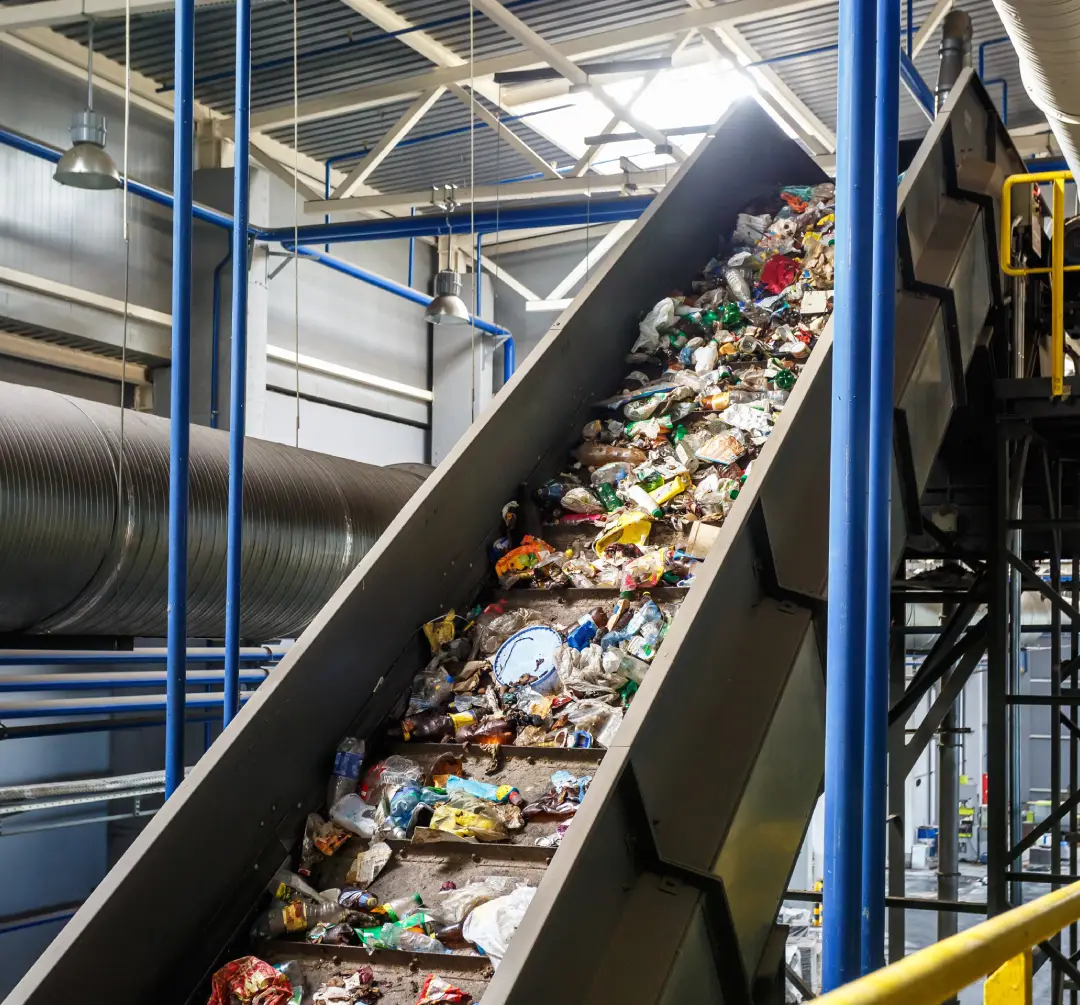
We treat waste as a recoverable resource, helping organisations divert valuable materials from landfill through smarter resource recovery solutions. By working with an extensive network of trusted recycling and recovery partners, we source the most appropriate processing pathways for each waste stream, ensuring better environmental outcomes without being limited to a single provider. Combined with detailed reporting, waste audits and ongoing optimisation, we help organisations improve recycling performance and support Australia’s transition to a more circular economy.
- // how we work
Our approach to recycling

Environmental protection
Safeguard ecosystems by reducing pollution, landfill, and harmful emissions today.

Resource conservation
Preserve raw materials by maximising recycling and minimising virgin extraction.

Resource value
Recover valuable commodities to create revenue and circular supply chains.

Energy recovery
Turn residual waste into energy, cutting methane and fossil reliance.
Mixed Recycling
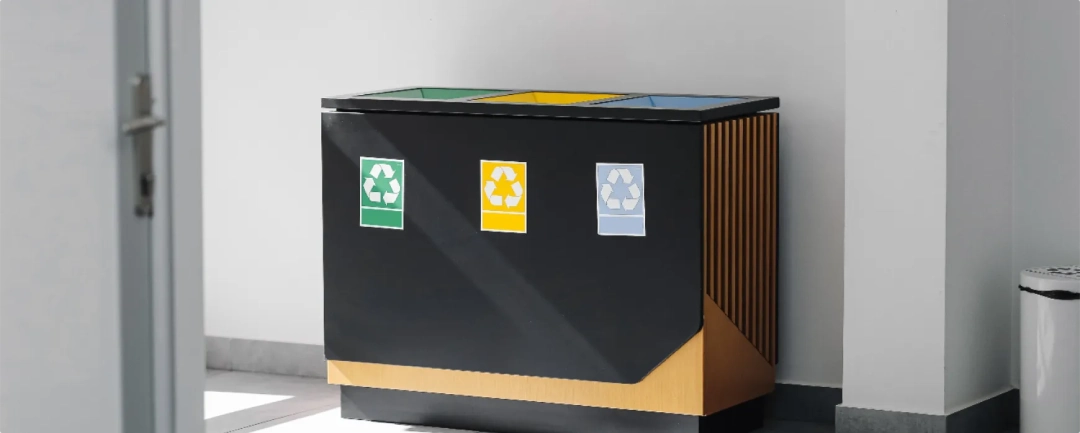
Mixed recycling allows businesses to combine common recyclable materials such as paper, cardboard, plastics, glass and metals into a single collection stream. Crown Waste helps organisations implement effective mixed recycling solutions that reduce landfill, improve resource recovery and support sustainability goals. Through regular reporting and waste audits, we identify opportunities to increase recycling performance and reduce contamination
What can be included in commingling?
- In a Co-mingled recycling bin, the following types of waste are typically accepted:
- Paper
- Glass
- Aluminium
- Steel
- Hard Plastics
- Please note that these guidelines may vary depending on disposal site practices, and state government legislation and regulation.
What can’t be included in commingling?
- There are several types of waste that should not be placed in a Co-mingled recycling bin, these include:
- Plastic bags and film
- Food waste
- Clothing and textiles
- Hazardous waste
- Ceramics and porcelain
- Medical waste
- Nappies and sanitary products
- Garden waste
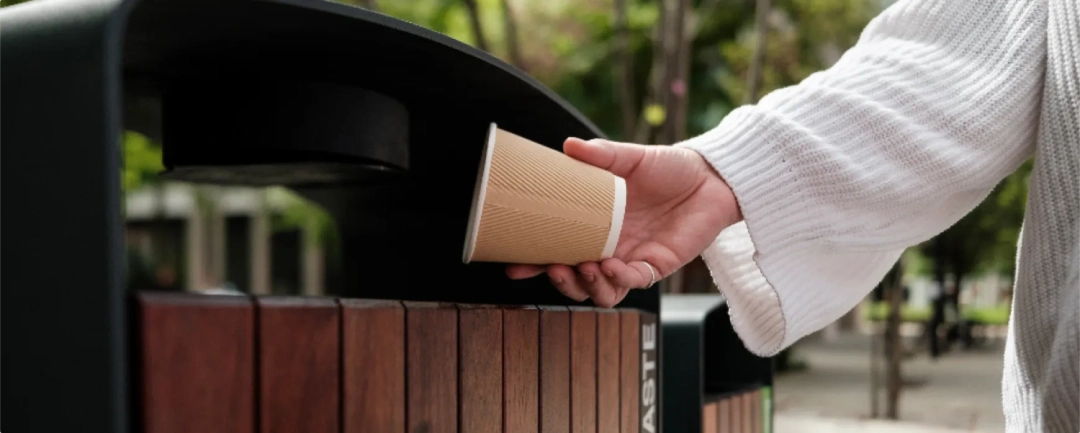
- Coffee cups
- Soft plastics
Cardboard recycling
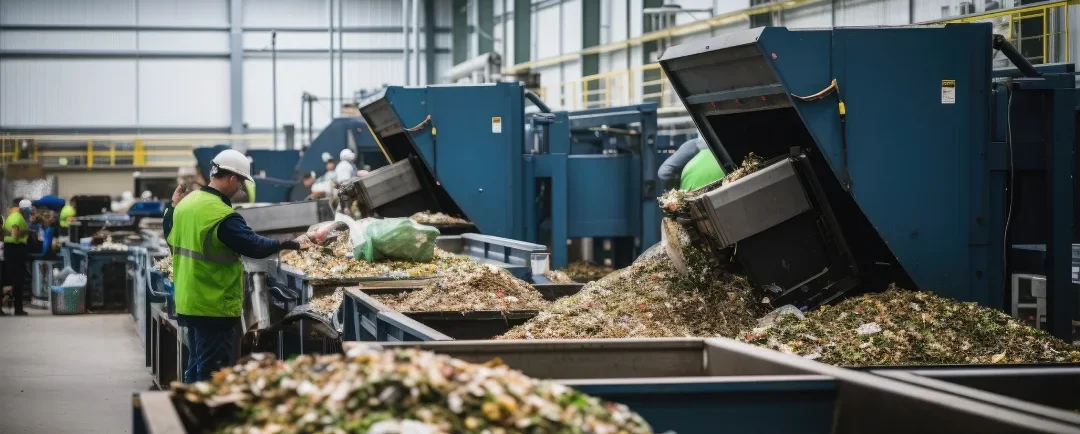
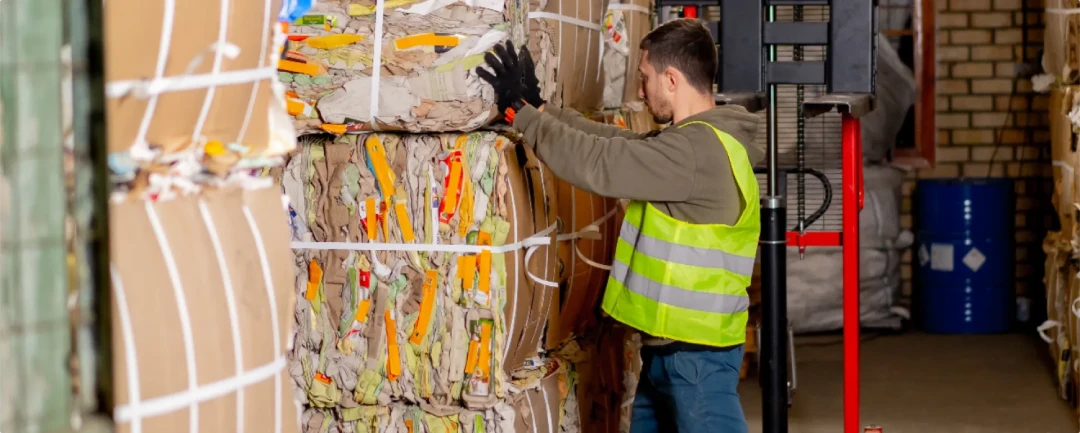
Cardboard recycling reduces disposal fees by diverting high-volume packaging from general waste. Compactors and balers compress material, lowering haul frequency and transport costs while freeing valuable floor and storage space. Efficient cardboard capture streamlines handling, reduces labour for manual flattening and speeds dock operations. Savings often offset equipment costs within months and provide predictable waste budgets, making cardboard programs a quick-win for bottom-line improvement across retail, warehousing and manufacturing facilities.
Cardboard collection solutions
We can provide cardboard bins for low quantities and then balers and compactors for large cardboard quantities.
Plastic recycling
Effective plastic recycling reduces disposal costs by diverting high-volume packaging and film from general waste streams. Compacting and baling plastic containers and rigid packaging lowers haul frequency and transport expenses while freeing storage and loading-dock space. Streamlined capture reduces manual handling and sorting time for staff, improving throughput in warehouses and retail back rooms. Implementing right-sized containment and scheduled pickups creates predictable waste budgets and quick operational returns, often offsetting equipment and service costs while keeping facilities cleaner and more efficient.
Robust plastic programs demonstrate corporate responsibility to customers and stakeholders, enhancing brand reputation and meeting sustainability commitments. Targeted
Recycled PET
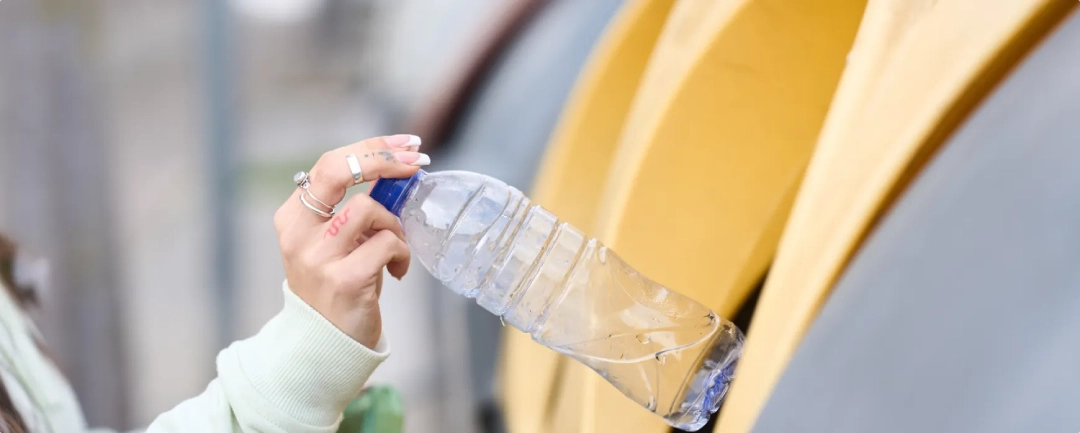
Commonly used for drink bottles, food containers and clear plastic packaging, PET is one of the most widely recycled plastics. We help businesses recover PET through dedicated collection and recycling solutions that support a circular economy.
Recycled HDPE
HDPE is commonly found in milk bottles, detergent containers, chemical drums and industrial packaging. Our tailored recycling programs help divert HDPE from landfill and maximise material recovery.
Recycled PP
Polypropylene (PP) is used in food packaging, storage containers, pallets, crates and manufacturing components. We work with specialist recycling partners to recover PP for reuse in new products.
Recycled LDPE
LDPE includes soft plastics such as pallet wrap, shrink wrap, plastic film and carry bags. Crown helps businesses implement practical collection and recycling solutions to reduce plastic waste and improve sustainability outcomes.
Organic waste
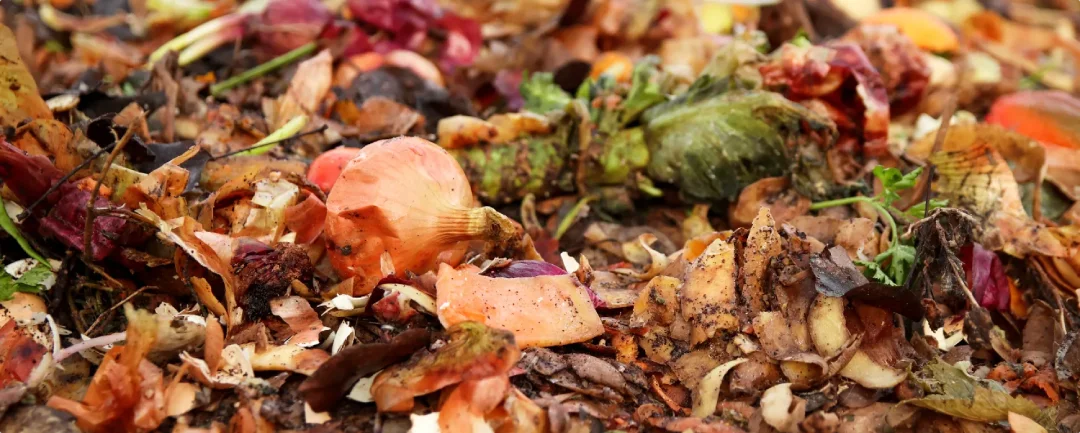
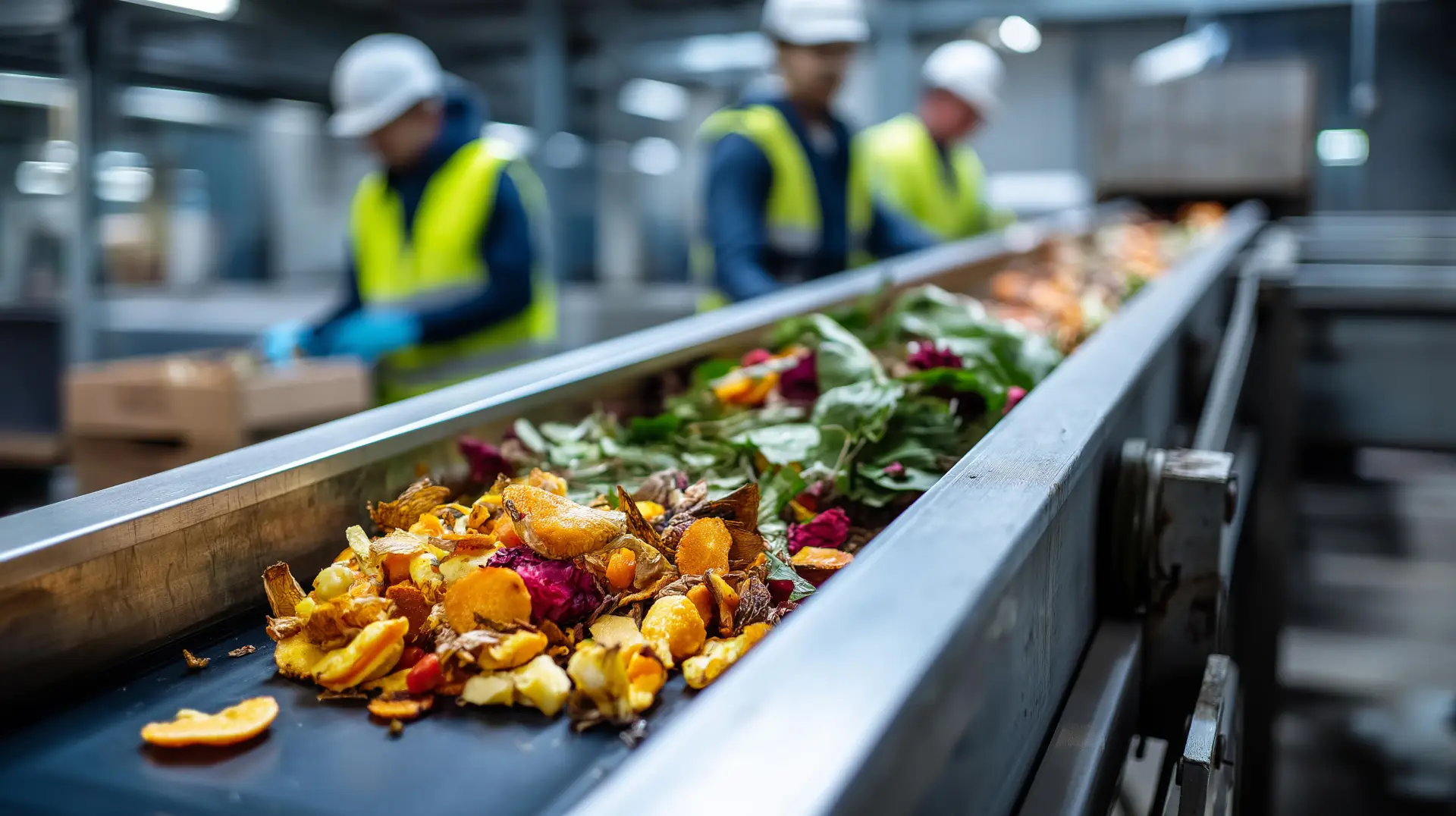
Organic waste solutions help businesses divert food scraps, garden waste and other biodegradable materials away from landfill. Crown Waste provides tailored organics recycling programs that support composting, resource recovery and sustainability targets. Collected organic waste is processed at specialised organics facilities, where it is transformed into nutrient-rich compost and soil products that can be used in agriculture, landscaping and land rehabilitation, creating a valuable resource from what would otherwise become waste
Kinds of organic waste
We provide collection and recovery solutions for a wide range of organic waste streams, including food waste, garden organics, timber, green waste, compostable packaging and other biodegradable materials. Our team will help identify the most appropriate recovery pathway for your organisation.
Collection solutions
From dedicated organics bins and scheduled collections to tailored programs for schools, hospitality venues, commercial facilities and industrial sites, we design collection solutions that improve source separation, reduce contamination and maximise resource recovery.
Metal recycling
Collection methods
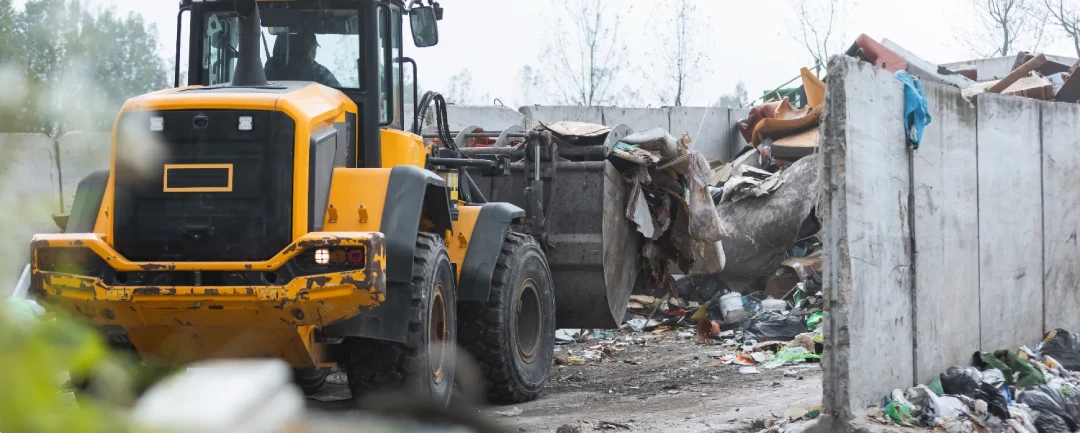
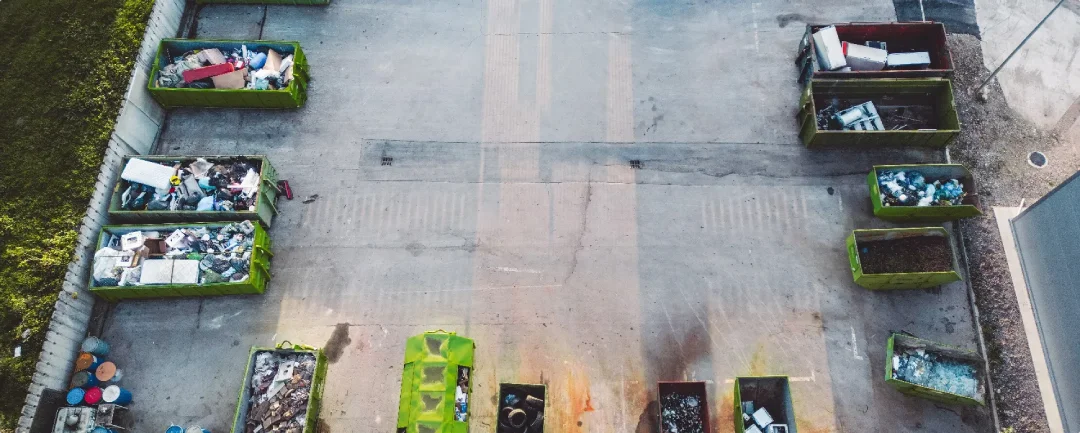
We offer flexible collection solutions to suit the type and volume of metal waste your organisation generates. From dedicated bins and skips to scheduled bulk collections, we’ll source the right equipment and recovery partner to maximise recycling and minimise disruption to your operations.
Ideal for
Metal recycling solutions are ideal for manufacturing facilities, construction sites, engineering workshops, warehouses, automotive businesses, demolition projects and commercial operations generating scrap steel, aluminium, copper or other recyclable metals.

Specialised recycling
Not all waste fits into a standard recycling program.
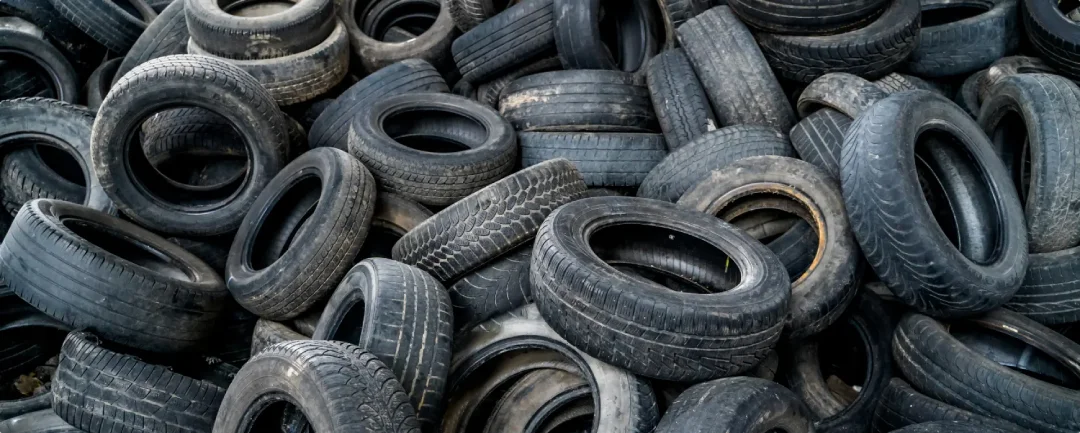
Crown Waste Solutions works with a trusted network of specialised recyclers and recovery partners to divert complex waste streams from landfill wherever possible. From tyres and solar panels to e-waste, batteries and industry-specific materials, we help organisations find compliant, sustainable and cost-effective recycling solutions for even the most challenging waste streams.
If your waste doesn’t fit into a conventional collection service, we’ll work with you to identify the best recovery pathway and maximise resource recovery outcomes.
Types of Specialised Waste
We coordinate recycling solutions for a wide range of specialised waste streams, including tyres, solar panels, batteries, e-waste, textiles, mattresses, soft plastics, polystyrene, timber, construction materials and other difficult-to-recycle items. If it can be recovered, we’ll help find the right solution.
Custom Recycling Solutions
Every organisation generates waste differently. If you have a unique or industry-specific waste stream, we’ll work with our trusted network of recycling and recovery partners to source a compliant, cost-effective solution tailored to your operational and sustainability goals.
Australia-wide waste management services
Through scalable recovery services and expert compliance, we cut waste, improve resource reuse and deliver measurable sustainability outcomes for clients and communities.
Partner with Crown Waste Solutions today.
Work with Crown Waste Solutions for Australia wide waste solutions across commercial, industrial, government and community sectors. We deliver end to end services backed by EPA licensed facilities and cutting edge tech to maximise recovery, scale and efficiency.
- // insights
Frequently asked questions
What recycling services do you offer?
We provide audits, tailored bin systems, commingled and source-separated collections, balers, compactors, organics capture, e-waste and battery programs, confidential destruction and specialist streams like metals, oils and hazardous materials. Services include scheduled and on-demand pickups, real-time tracking, processor coordination and reporting to support compliance, diversion targets and operational efficiency across sites of any size.
How do I start a recycling program at my site?
Begin with a site assessment or waste audit to map volumes and streams. We recommend container types, bin placement and collection frequency, run a pilot to validate capture and provide staff training and signage. After onboarding we establish service levels, reporting and optimisation reviews to scale the program and improve diversion while minimising contamination and disruption.
What materials can be recycled through your programs?
We accept common recyclables such as cardboard, paper, glass, aluminium, steel and many rigid plastics, plus organics, e-waste, batteries, metals and some specialist streams. Acceptance varies by processor and local regulations. We advise on acceptable items, provide clear signage and implement segregation to preserve material quality and maximise recovery value.
How do you handle e-waste and confidential materials?
E-waste is collected, data-wiped or securely destroyed, and sent to certified recyclers for component recovery. Confidential documents and media are collected in locked bins, transported under chain-of-custody and shredded with disposal certificates. These services protect data privacy, meet regulatory obligations and enable responsible material recovery where permitted.