

- // WASTE streams
Cardboard
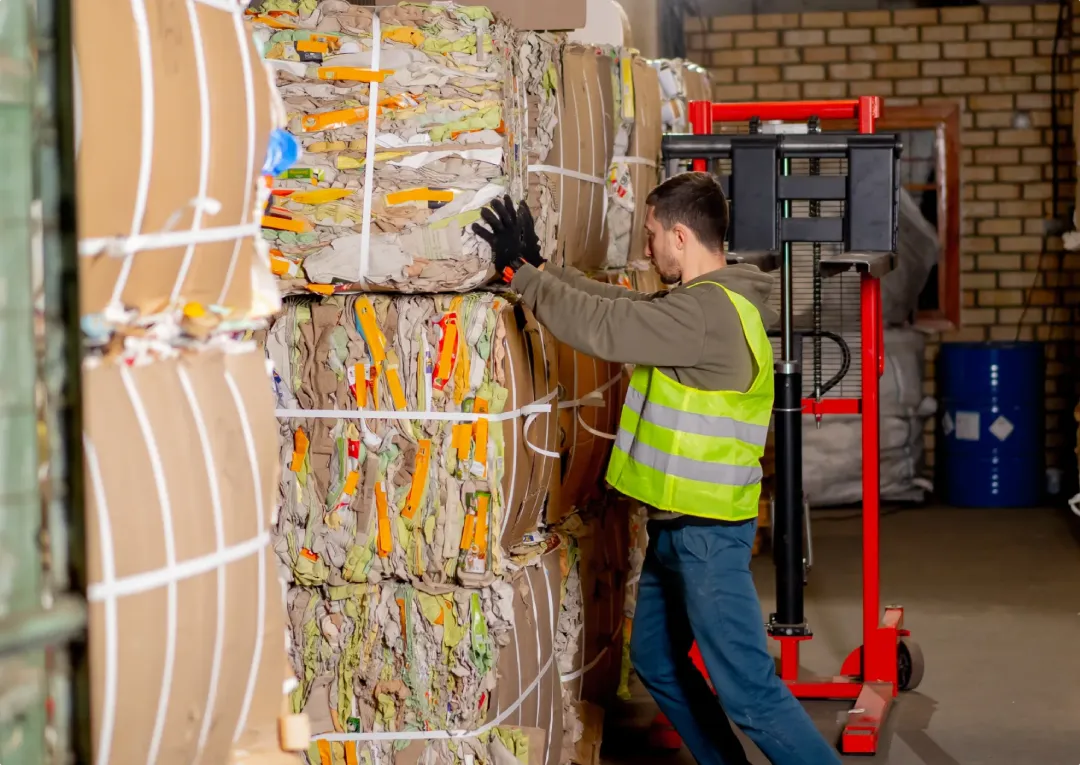
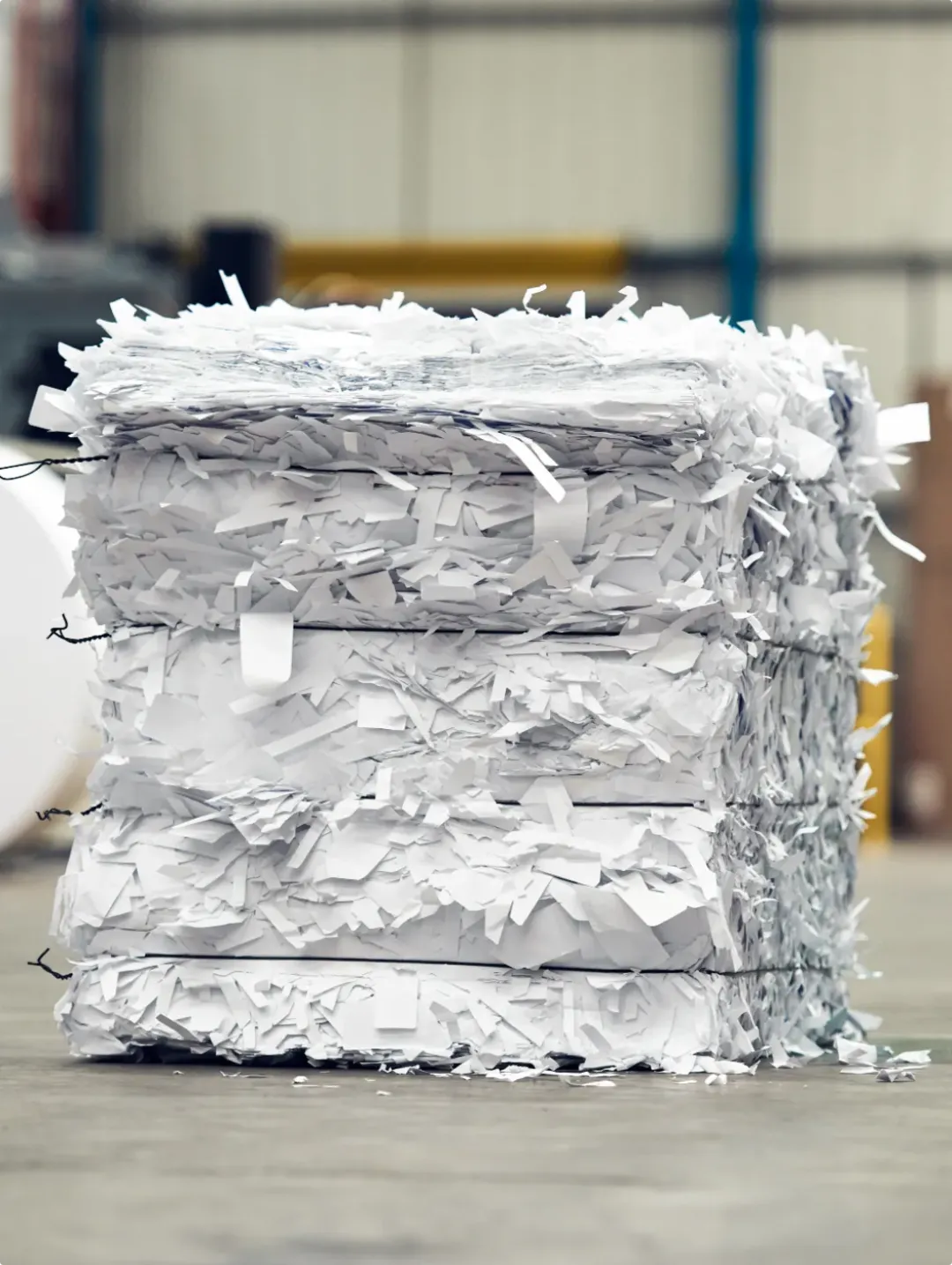
Transforming used packaging into valuable raw materials
Suitable for
- Our cardboard recycling solutions are ideal for:
- Offices and corporate workplaces
- Retail stores and shopping centres
- Warehouses and distribution centres
- Manufacturing and industrial facilities
- Schools, universities and TAFEs
- Hospitality venues and commercial kitchens
- Councils and government facilities
- Healthcare providers and medical centres
- Logistics and transport businesses
- Businesses generating high volumes of cardboard packaging
Advice for storing cardboard
- Get the best recycling outcomes by following these simple tips:
- Flatten boxes to maximise bin capacity
- Keep cardboard clean and dry where possible
- Remove plastic wrap, foam and polystyrene packaging
- Separate cardboard from general waste and food waste
- Bundle large quantities for easier collection
- Avoid contaminating cardboard with liquids or grease
- Use dedicated cardboard recycling bins or balers for high-volume sites
- Schedule collections before storage areas become overcrowded
Leading waste management and recycling specialists
- // how we work
Our approach to waste solutions

Sustainability
Protect your operations and stakeholders by reducing environmental impact and risk.

Recycling
Improve diversion and reduce contamination with durable, clearly labelled bins.

Cost savings
Cut disposal expenses with route optimisation, equipment ROI, predictable pricing.

Material recovery
Unlock revenue, resilience by reclaiming materials and closing supply loops.
- // why crown
Safety, Compliance and Peace of Mind
Crown delivers practical waste solutions with local accountability and national reach. We blend technical expertise with efficient logistics and EPA licensed processing partners. Clients gain predictable service, clear compliance records and data-driven insights that lower disposal costs and boost recycling. Our flexible contracts, rapid mobilisation and continuous improvement culture mean minimal disruption and measurable sustainability gains. Choose Crown for a trusted partner that turns waste challenges into operational advantages and long-term value.
- // insights
Frequently asked questions
What types of cardboard do you accept for recycling?
We accept corrugated cardboard, carton board, boxes, shipping pallets, pizza cartons (clean), and cardboard packaging. Contaminated or food-soiled cardboard, waxed or heavily soiled packaging, and mixed-material cartons with plastic liners may be rejected. Confirm specific acceptance criteria with your local service to ensure compliant sorting and maximise recovery value for processors.
Do you provide on-site balers and compactors for businesses?
Yes. We supply and service on-site balers and compactors sized to your volume and site constraints. Equipment reduces labour, compacts material for efficient transport and improves bale quality. We advise placement, safety procedures and training. Integrated collection schedules and maintenance plans ensure continuous operation and predictable recycling returns for commercial sites.
How often do you collect cardboard from commercial sites?
Collection frequency is customised by volume, storage capacity and business hours. Options include daily, weekly or fortnightly scheduled pickups, plus on-demand or surge collections during peak trading. We optimise routes and timing to prevent overflow, coordinate with receiving docks and minimise disruption to operations. Regular reviews ensure schedules adapt to seasonal or demand changes.
How much can businesses save by recycling cardboard?
Savings arise from reduced landfill fees, lower waste haulage frequency, and potential revenue from baled cardboard sales. Equipment investments like balers deliver rapid payback via reduced collection costs and improved bale density. Audits quantify savings opportunity, suggesting optimised schedules and container sizing to cut costs while increasing diversion and operational efficiency.
What are the environmental benefits of recycling cardboard?
Recycling cardboard reduces demand for virgin pulp, saving trees, water and energy. It lowers landfill volumes and methane emissions, decreases transport and manufacturing footprints, and supports circular-material use. Recovered fibre returns to paper mills for new packaging, reducing raw-material extraction and promoting resource efficiency. Measuring tonnes diverted demonstrates tangible sustainability progress for organisations.