

- // WASTE streams
Commingling
Simplify recycling with one container for all mixed recyclables. Get scalable solutions for every site.
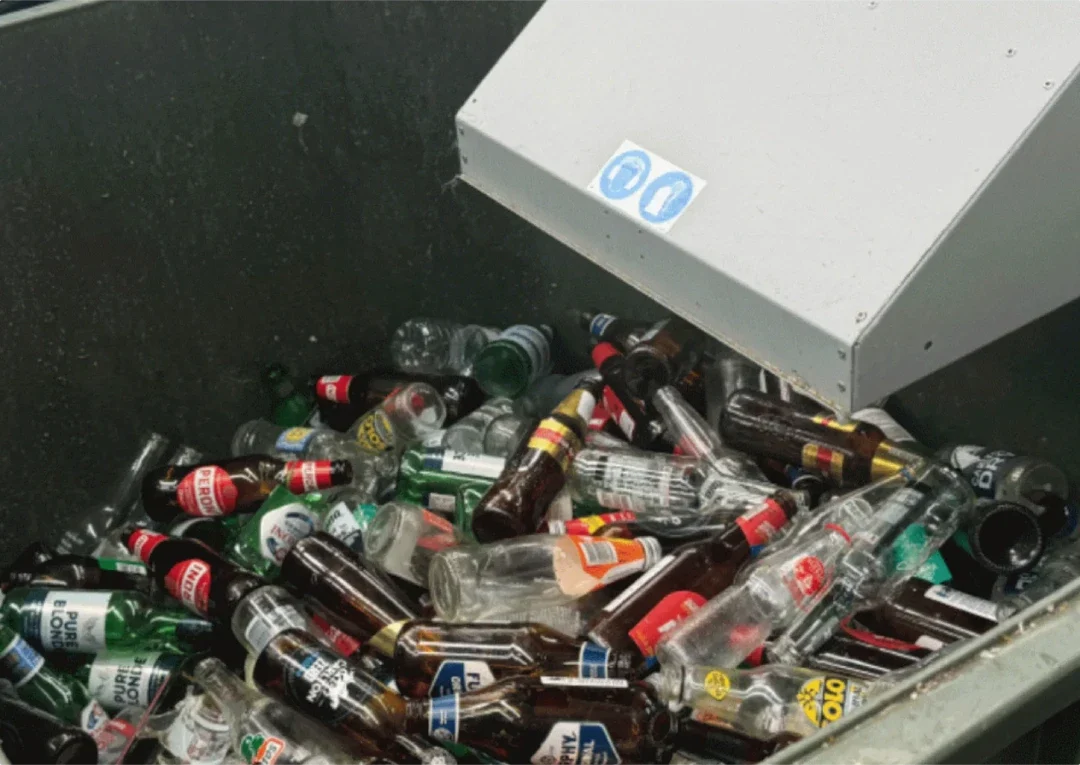
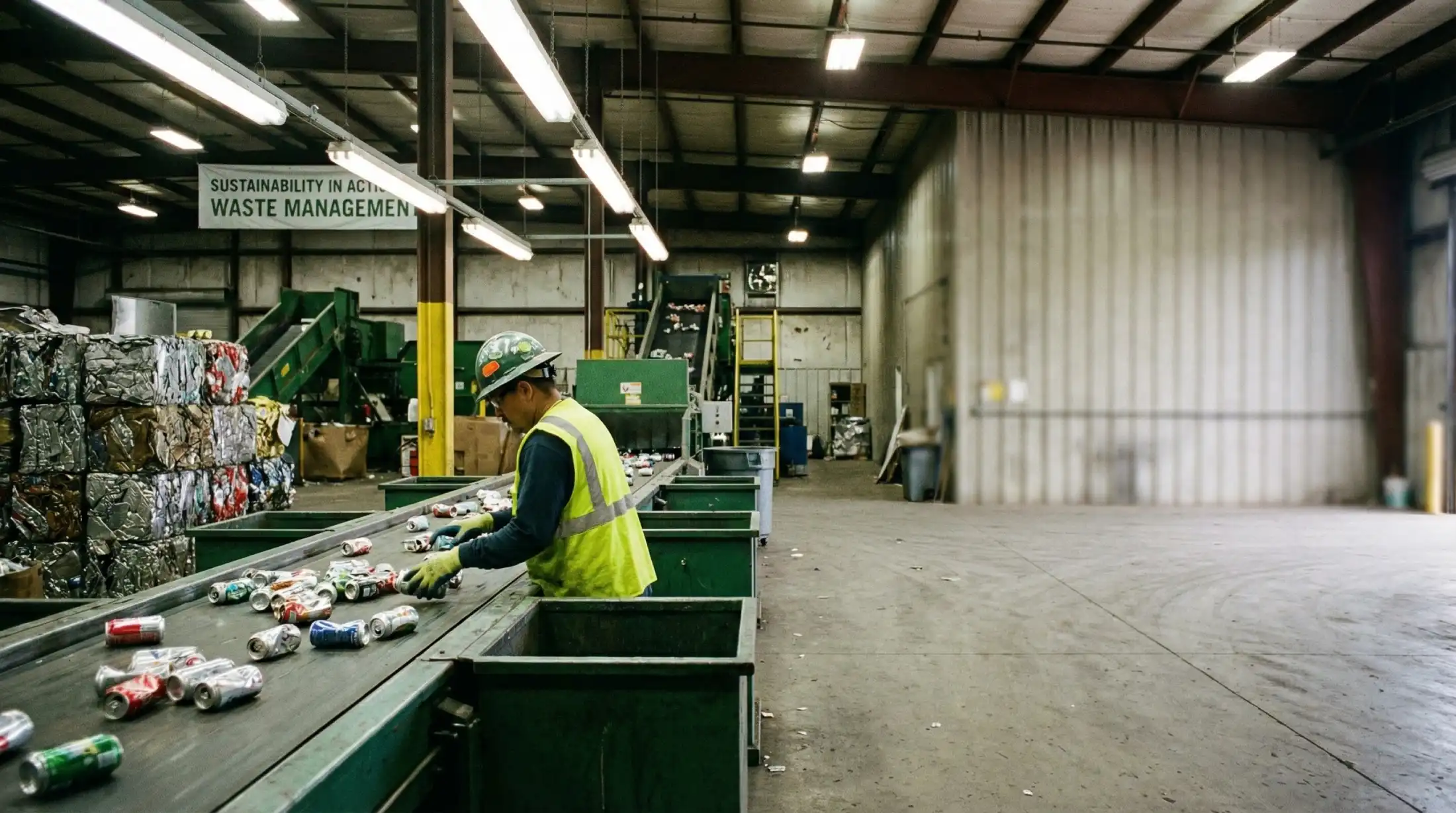
Making recycling simple for every site
What Can Be Included in Commingled Recycling?
- Your commingled recycling bin can typically accept:
- Paper and office paper
- Newspapers, magazines and brochures
- Cardboard and paper packaging
- Aluminium cans
- Steel food cans
- Glass bottles and jars
- Plastic bottles and containers (where accepted locally)
- Milk and juice cartons
- Clean food and beverage packaging
- Rigid plastic containers labelled with accepted recycling codes
- Accepted materials may vary depending on your location and local recycling facility.
What Can't Be Included in Commingled Recycling?
- To reduce contamination, avoid placing these items in your commingled recycling bin:
- Food scraps and organic waste
- Plastic bags and soft plastics
- Polystyrene and foam packaging
- Nappies and sanitary products
- Textiles and clothing
- Garden waste
- Hazardous chemicals or paint
- Batteries and electronic waste
- Gas bottles or aerosols (unless accepted locally)
- Broken ceramics, mirrors and window glass
- If you're unsure whether an item can be recycled, our team can help you identify the most appropriate waste stream.
Leading waste management and recycling specialists
- // how we work
Our approach to waste solutions

Sustainability
Protect your operations and stakeholders by reducing environmental impact and risk.

Recycling
Improve diversion and reduce contamination with durable, clearly labelled bins.

Cost savings
Cut disposal expenses with route optimisation, equipment ROI, predictable pricing.

Material recovery
Unlock revenue, resilience by reclaiming materials and closing supply loops.
- // why crown
Safety, Compliance and Peace of Mind
Crown delivers practical waste solutions with local accountability and national reach. We blend technical expertise with efficient logistics and EPA licensed processing partners. Clients gain predictable service, clear compliance records and data-driven insights that lower disposal costs and boost recycling. Our flexible contracts, rapid mobilisation and continuous improvement culture mean minimal disruption and measurable sustainability gains. Choose Crown for a trusted partner that turns waste challenges into operational advantages and long-term value.

- // insights
Frequently asked questions
How are commingled recycling loads processed at material recovery facilities?
At recovery facilities mixed loads undergo mechanical sorting using screens, air classifiers, magnetic separators and optical sorters. Machines separate paper, glass, metals and plastics by type, then bale or compact each stream for reprocessing. Effective onsite contamination control and correct preparation improve sorting efficiency and the quality of recovered materials.
Do commingled recycling bins increase contamination risk?
Commingled systems can either reduce or increase contamination depending on implementation. Clear signage, education, stewarding and regular audits are essential to maintain quality. Staffed sorting or front-of-house stewardship during peak times helps. Proper container placement and ongoing feedback loops ensure commingled programs achieve high capture rates without sacrificing material integrity.
Are commingled recycling services suitable for my business?
Yes. Commingled systems work well for offices, retail, hospitality and events where convenience boosts participation. We assess waste streams and footfall to recommend bin types, placement and collection frequency. High-volume sites can pair commingled front-of-house bins with dedicated back-of-house baling to maintain quality. A pilot rollout validates performance before full implementation.
What reporting and metrics are provided for commingled recycling?
Clients receive tonnage and diversion rates, contamination levels, collection frequency and disposal certificates. We can supply weighbridge data, diversion KPIs and custom dashboards for sustainability and compliance reporting. Regular audits and trend analysis help refine bin placement, education and collection schedules to improve long-term performance.
Which materials are accepted in commingled bins?
Typical accepted items are clean, dry paper and cardboard, glass bottles and jars, aluminium and steel cans, and rigid plastic containers marked with recycling codes. Acceptance varies by processor and state regulations so check local guidelines. Rinse containers and flatten cardboard to preserve quality and reduce contamination risk for downstream sorting.